The Impact of Remote Work on HR Practices in the Philippines


The Rise of Remote Work in the Philippines
The shift to remote work has dramatically impacted HR practices in the Philippines. As companies adapt to this new normal, HR departments face both challenges and opportunities. Understanding these changes is crucial for businesses aiming to thrive in this evolving landscape.

Adapting Recruitment Strategies
One of the most significant changes is in recruitment. With remote work, companies can now tap into a broader talent pool beyond geographic limitations. This has led HR departments to revamp their recruitment strategies, focusing on digital platforms to attract and hire talent nationwide.
Moreover, the assessment of candidates has shifted to emphasize skills like self-motivation and digital literacy. HR professionals are increasingly utilizing virtual interviews and online assessments to identify candidates who can excel in a remote setup.
Transforming Employee Engagement
Employee engagement has taken on new dimensions with remote work. Without the traditional office environment, HR must find innovative ways to maintain a strong company culture and keep employees motivated.
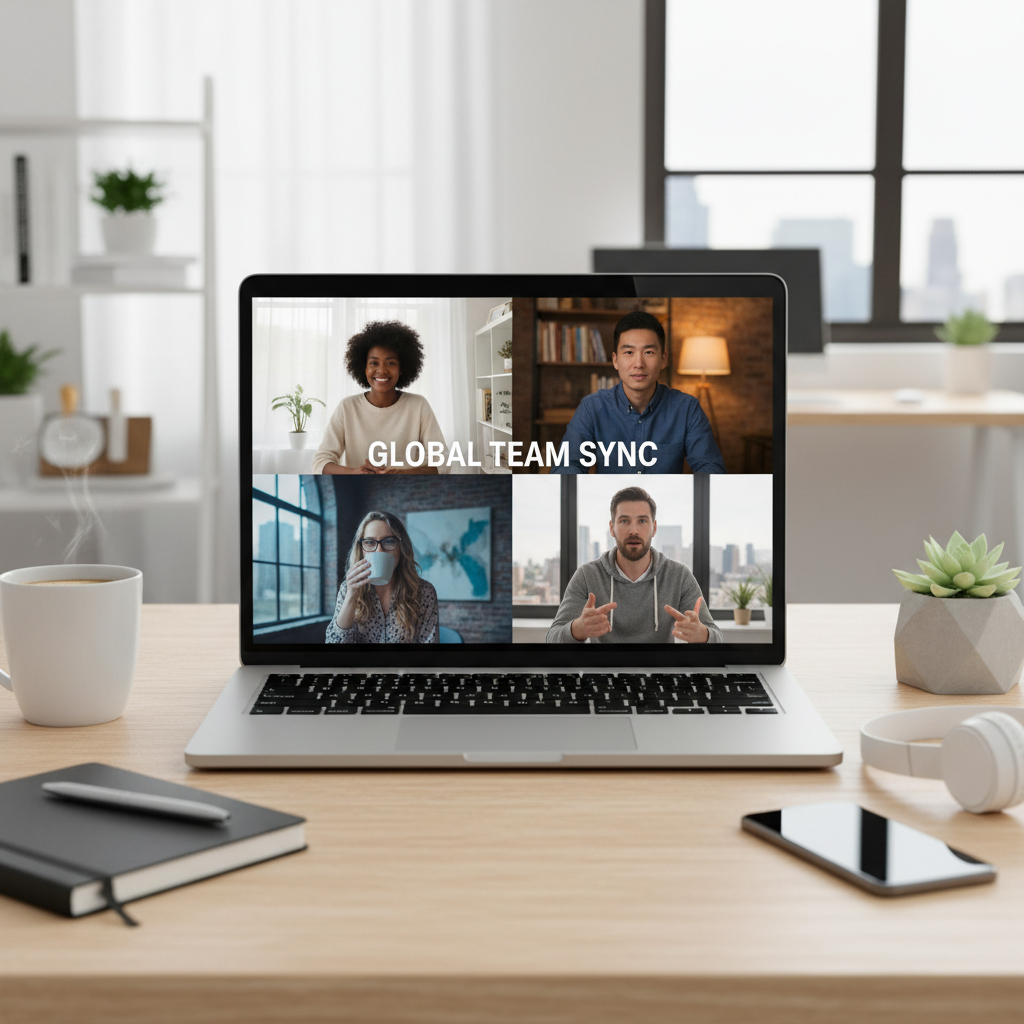
Virtual team-building activities, regular check-ins, and feedback sessions have become essential tools for HR. Companies are also investing in digital platforms to facilitate communication and collaboration, ensuring employees remain connected and engaged.
Challenges in Performance Management
Performance management is another area that has seen significant changes. With the physical separation of employees, HR must develop new metrics and tools to assess performance effectively. Traditional methods may no longer apply, prompting a shift towards more flexible, outcome-based evaluations.
Regular feedback and clear communication of expectations are crucial. HR departments are leveraging technology to monitor performance, ensuring that employees meet their targets and contribute to the organization's goals.

Enhancing Employee Well-being
Remote work has also brought mental health and well-being to the forefront. HR practices now prioritize employee well-being, recognizing its impact on productivity and job satisfaction. Companies are offering mental health resources, wellness programs, and flexible work schedules to support employees.
Creating a healthy work-life balance is essential, and HR plays a pivotal role in advocating for policies that promote employee well-being while maintaining productivity.
The Future of Remote Work and HR
The impact of remote work on HR practices in the Philippines is profound and ongoing. As businesses continue to adapt, the focus will likely remain on flexibility and innovation. HR departments must stay abreast of technological advancements and evolving workforce needs to ensure continued success.
Ultimately, remote work presents an opportunity for HR to redefine its role in fostering a supportive, productive, and inclusive work environment. By embracing these changes, companies can thrive in the new era of work.